


Spotlight
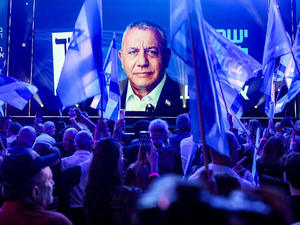
Iran's Foreign Minister Abbas Araghchi said on Sunday that a potential resumption of war with Israel and the United States would not change his country's positions.
The remarks come amid mounting U.S. and Israeli threats of renewed attacks on Iran, as President Donald Trump said on Friday that Washington "may do another little Epic Fury," referring to the U.S.-Israeli campaign on Iran that began on February 28.
 Full Story
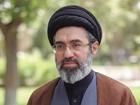
Iran's judiciary said that its chief held a rare meeting with the country's supreme leader Mojtaba Khamenei, who has yet to appear in public since being appointed.
Mojtaba was chosen in March to succeed his father and longtime ruler Ayatollah Ali Khamenei, who was killed in U.S.-Israeli strikes in central Tehran alongside senior military commanders at the start of the Middle East war, and was said to have been injured in the same attack.
 Full Story
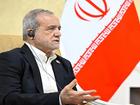
Iranian President Masoud Pezeshkian said that many Iranians were struggling to put food on the table, as the economic pressure from the Middle East war with the United States mounts.
 Full Story
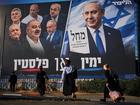
They will not govern Israel, but Arab-majority lists could be the kingmakers in Israel's close-fought elections next week, guided by a voter base fed up with Prime Minister Benjamin Netanyahu.
 Full Story
The United States appears to be preparing to resume large-scale strikes against Iran, but there is unlikely to be a military solution for either side in the devastating conflict, experts say.
 Full Story
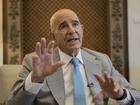
The United States could strike Iran as soon as this weekend, a U.S. envoy said, after mounting threats by both Washington and Israel.
 Full Story
Iran has "substantially increased" its efforts to target Americans in the Middle East and beyond, U.S. national intelligence chief Jay Clayton has warned.
 Full Story
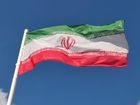
Iran said on Saturday that U.S. military ships would never be allowed to enter the Gulf "under any circumstances" and President Donald Trump will "take that dream to his grave".
 Full Story
Iranian President Massoud Pezeshkian will meet his Russian counterpart Vladimir Putin in Moscow next week, Iranian media reported.
 Full Story
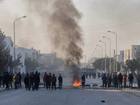
Clashes between protesters and police erupted in two Tunisian towns after the deaths of men in incidents locals say involved security forces, media reported Friday.
 Full Story


